
The journal · Apéritif & recipes

Homemade Roquefort cream: the foolproof apéritif dip

A cold, creamy Roquefort spread for the apéritif — ready in five minutes, no cooking, perfect for dipping endives, breadsticks and crunchy vegetables. Not to be confused with the hot Roquefort sauce for meat or pasta: another dish, another moment, another texture.
In brief

The essentials

  • Apéritif Roquefort cream is a cold, no-cook spread or dip — distinct from the hot Roquefort sauce served over meat or pasta.
  • Simply blend crumbled, room-temperature Roquefort with a creamy base (fresh cheese, thick cream, mascarpone or ricotta).
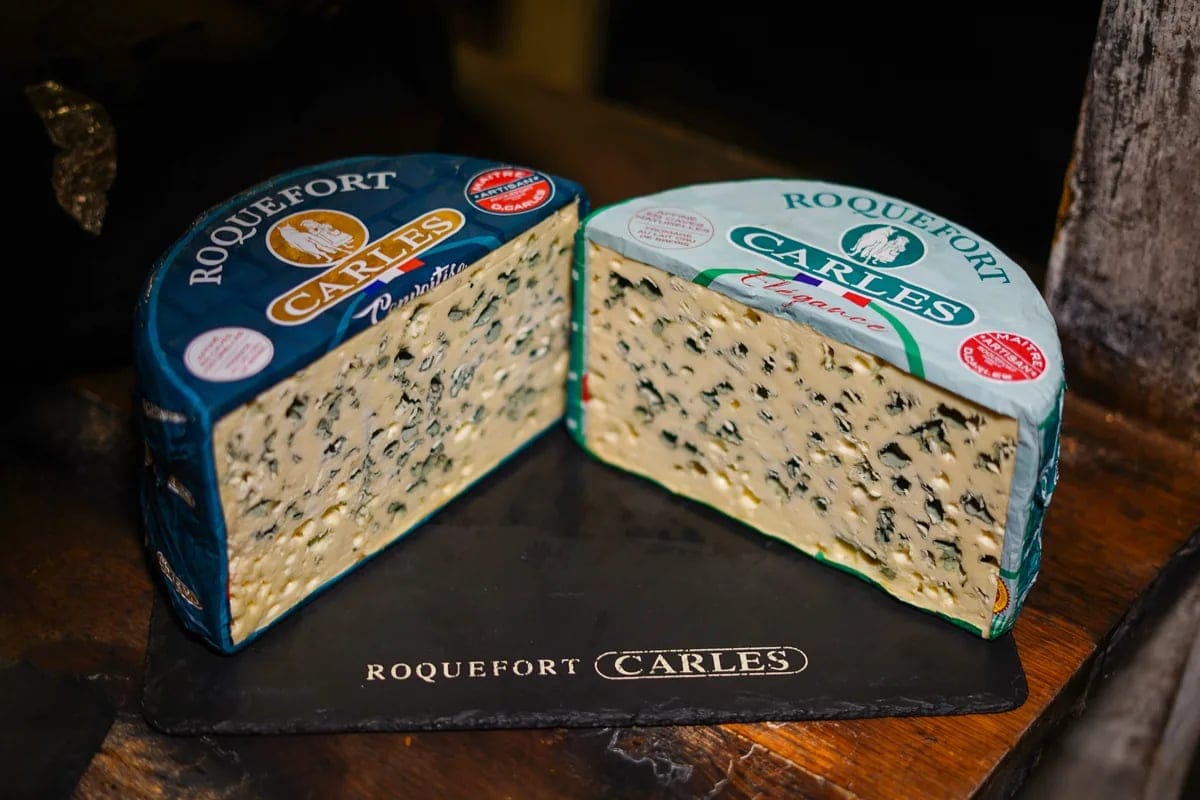
  • Choose a bold Roquefort (Convoitise) for character, or a rounder, creamier one (Élégance) for a milder version.
  • Barely any salt is needed — Roquefort is already salty; whisk patiently to avoid lumps.
  • Serve cool but tempered, with endives, breadsticks, crunchy vegetables, country bread or blinis.
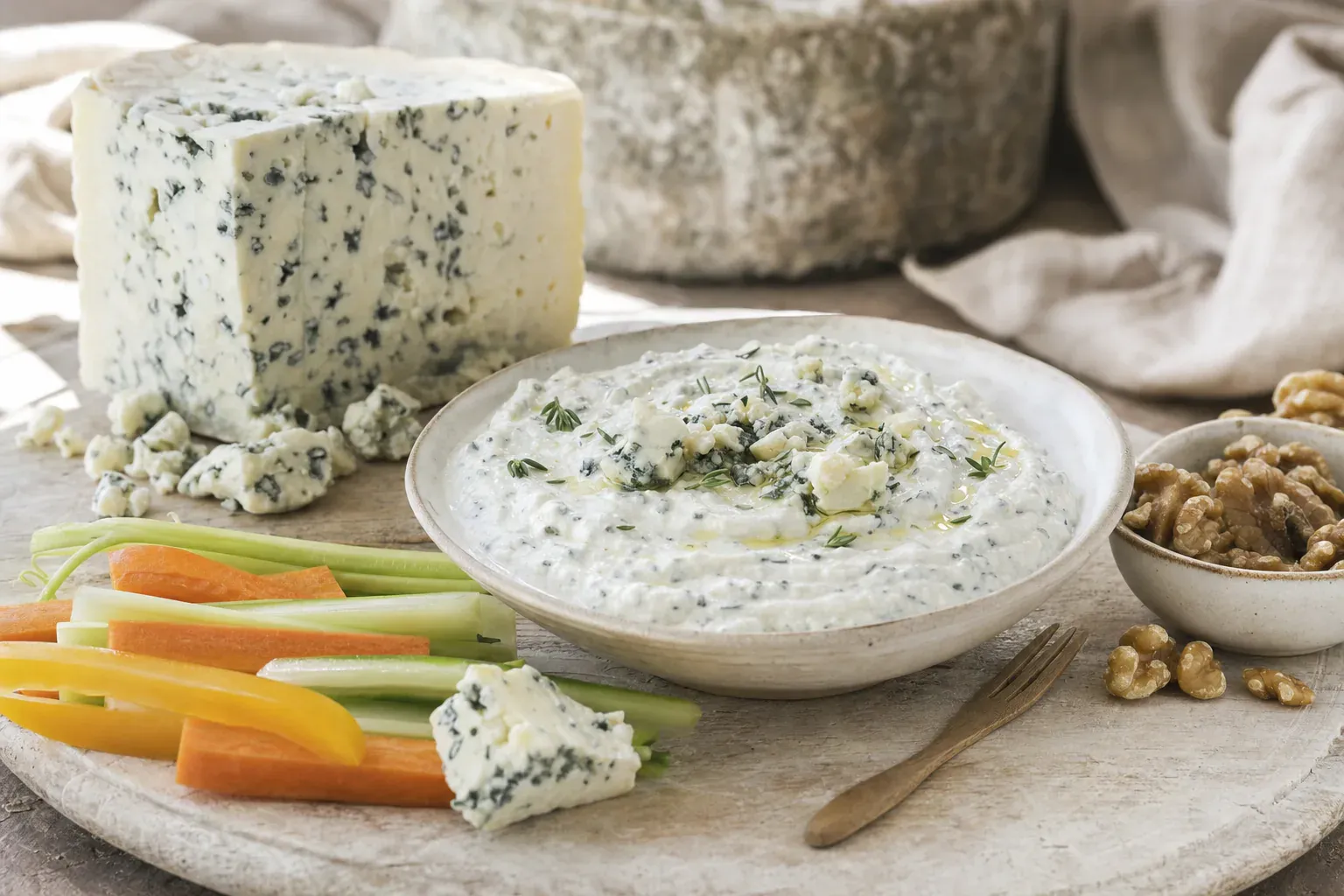
Homemade Roquefort cream served as an apéritif dip with endives and breadsticks

Chapter I

Cold cream vs hot sauce: don’t confuse them

§ i. · BasicsTwo recipes, two moments

The cream here is a cold apéritif spread — not a hot sauce.

The hot Roquefort sauce is melted into reduced cream and served warm over steak or pasta. The apéritif cream is uncooked, thick, spreadable and served cool as a dip or on toast.

They are two different dishes at two different moments: the sauce accompanies a main course, the cream opens the meal.

If you want the hot version, see our Roquefort sauce recipe. For everything else — dips and fresh toasts — read on.

Chapter II

What is Roquefort cream?

§ ii. · DefinitionTexture, temperature, uses

Roquefort worked until soft and spreadable, loosened with a creamy ingredient.

The texture is key: soft enough to spread, firm enough to coat a vegetable stick — a true dip consistency.

Temperature matters too: keep it chilled but serve it tempered, about fifteen minutes out of the fridge, to release the aromas.

Uses are many — as a dip, a spread on toast or blinis, or layered in a verrine. Explore more in our tasting & recipes world.

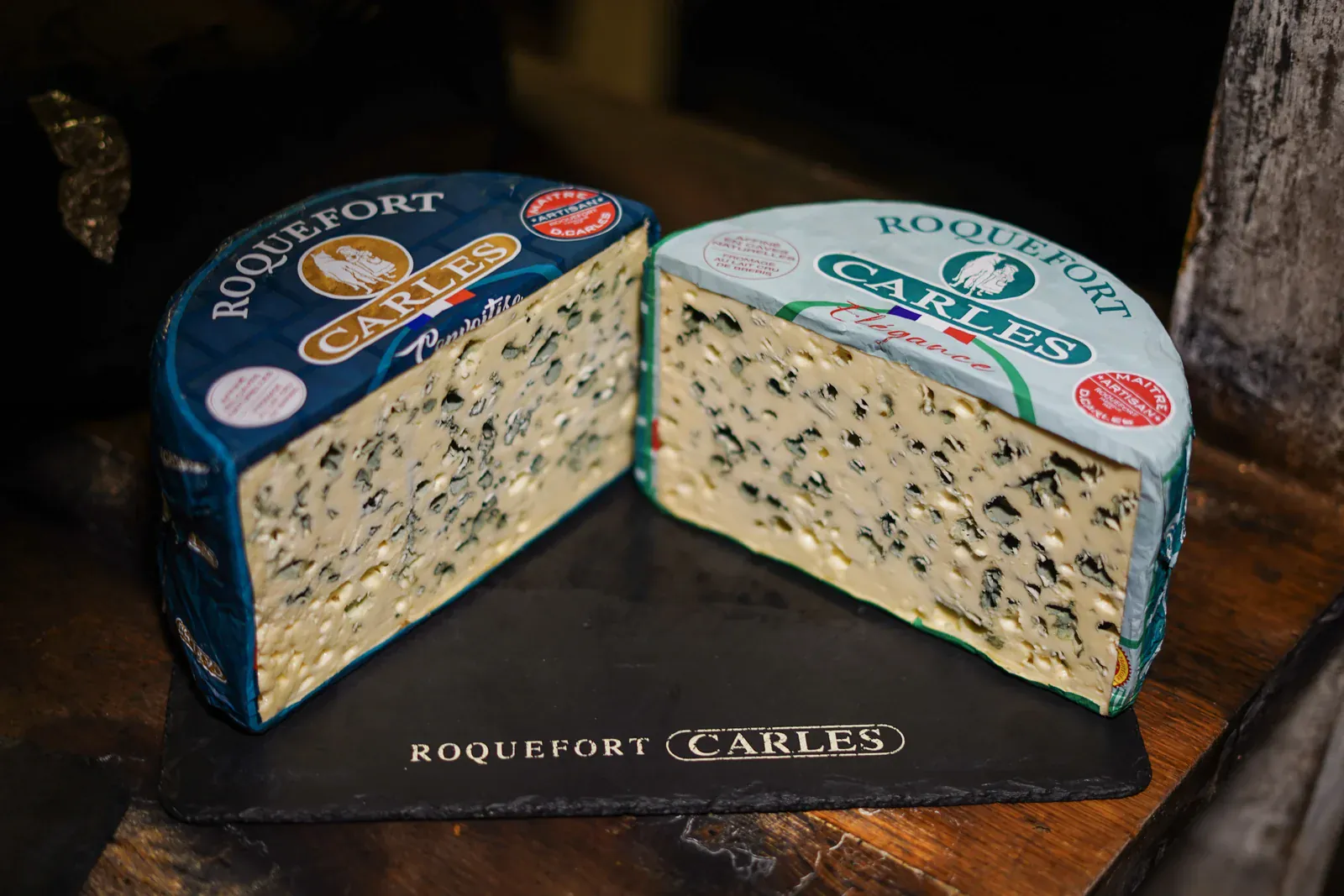
Two halves of Roquefort Carles on an engraved slate, the base of a creamy apéritif spread

Chapter III

Which Roquefort to choose

§ iii. · IngredientsThe cheese makes the cream
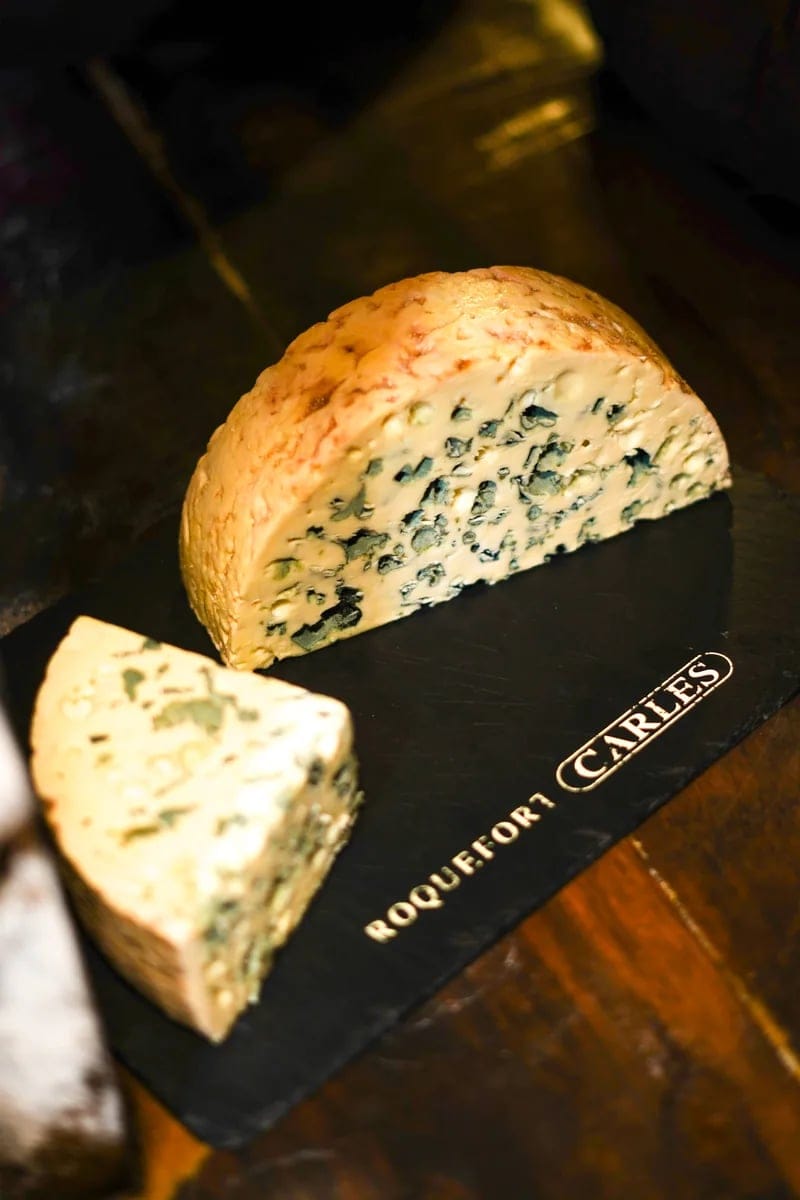
A piece of persillé Roquefort Carles to crumble and temper for an apéritif cream

A great cream starts with a great Roquefort; the rest just supports it.

A raw-milk Roquefort aged in the Combalou caves brings depth no industrial blue can match.

Convoitise: bold character

The Convoitise range is assertive and powerful — it holds its own in a cream. Add a little more creamy base to balance its strength.

Élégance: creamy roundness

The Élégance range is finer and rounder — perfect for a supple, gentle cream that even the Roquefort-shy will enjoy.

The creamy base

Fresh cheese adds lightness and acidity, thick cream adds velvet, mascarpone adds richness, ricotta lengthens without weight. Combine two to fine-tune.

Temper and crumble first

Take the Roquefort out 20–30 minutes ahead. Tempered cheese blends far better; crumble it with a fork before working it for a smooth cream.

Chapter IV

The step-by-step recipe

§ iv. · RecipeFive minutes, no cooking

A base recipe for four to six people, with no cooking at all.

Ingredients

  • 150 g raw-milk Roquefort, tempered
  • 150 g fresh cheese, mascarpone or ricotta
  • 2–3 tbsp thick cream
  • Freshly ground pepper
  • Salt: taste first — Roquefort is already salty

Method

  1. Crumble the tempered Roquefort with a fork.
  2. Add the creamy base and a spoon of thick cream.
  3. Whisk until smooth and homogeneous.
  4. Adjust texture with more cream — firmer to spread, softer to dip.
  5. Pepper, taste, and salt only if truly needed.
  6. Chill 30 minutes, then temper 15 minutes before serving.

Anti-lump tip

Temper everything, mash the cheese alone first, then add cream gradually. A quick hand-blender pass smooths any stubborn lumps without heating.

Salt: the golden rule

Roquefort is already salty. Taste before salting, and if needed use tiny pinches. Too strong? Add more creamy base, not salt.

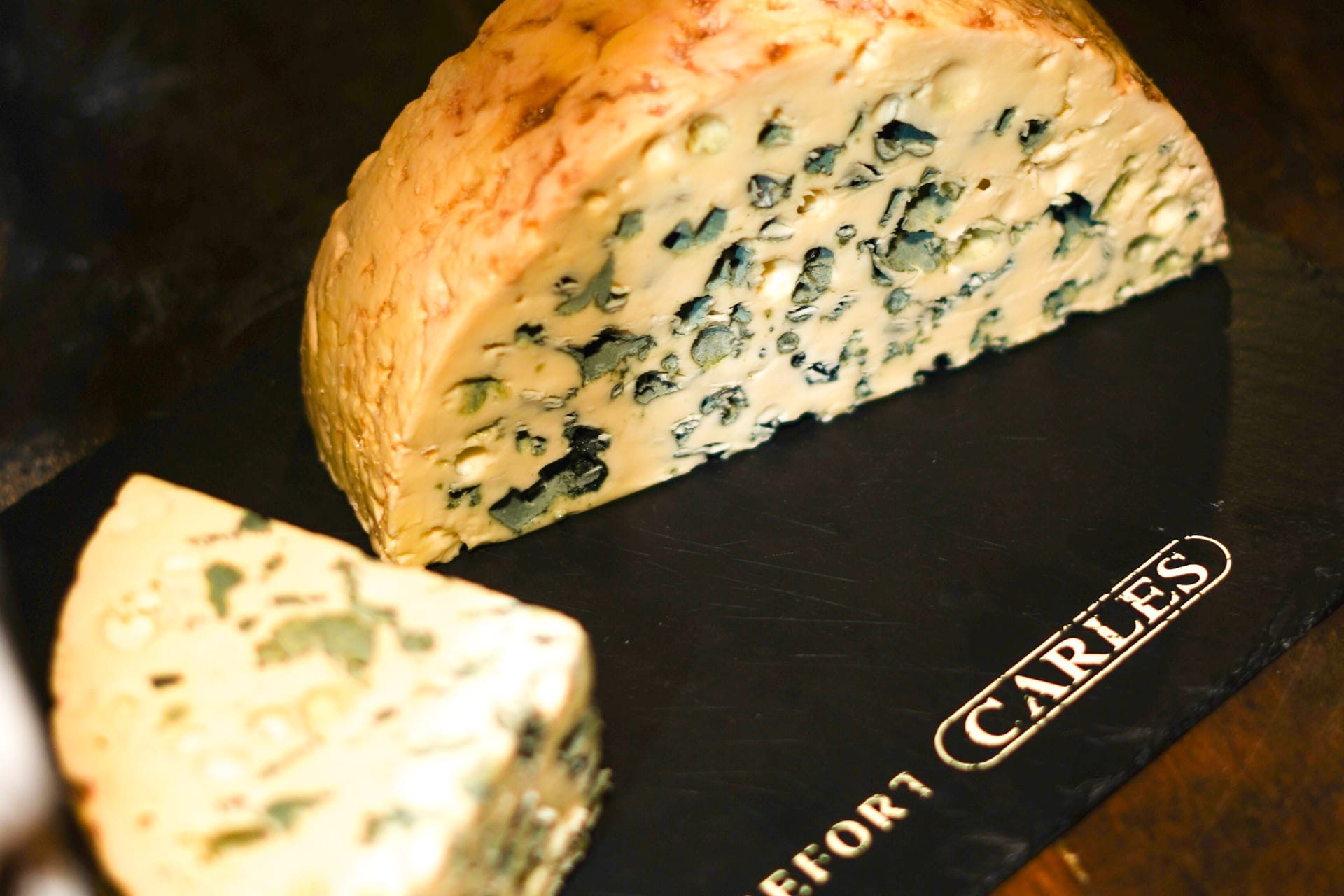
Roquefort Carles wheels cut open, paste to work into a cold no-cook cream

Chapter V

Three variations

§ v. · VariationsLighten, spice, dress up

Once the base is mastered, the cream becomes a playground.

Lighter, with yoghurt

Swap the fat for drained Greek yoghurt or fromage blanc — fresher and lighter, with a pleasant tang.

Spiced: pepper, walnuts, chives

Add crushed walnuts, chives and bold pepper — great with a Convoitise Roquefort on grilled country bread.

Festive: pear and honey

Fold in diced pear and a drizzle of honey for a sweet-savoury verrine, elegant for the holidays.

Mix and match freely, as long as the cheese and the creamy base stay in balance.

Chapter VI

How to serve it

§ vi. · ServingDips, verrines & drinks

A fine cream deserves fine company.

What to serve it with

Endive leaves, breadsticks, crunchy vegetable sticks (carrot, celery, radish), grilled country bread or warm blinis — play crunch against creaminess.

In apéritif verrines

Layer the cream with crushed walnuts and diced pear in small glasses, topped with chives — an elegant single-serving bite.

Which wine or drink

Roquefort loves sweet, fortified wines. See our wine & Roquefort pairings for the best pairings. Alcohol-free: chilled white grape juice or sparkling water work well.

Roquefort Carles on slate, ready to accompany an apéritif cream and crunchy vegetables

Chapter VII

Storing & making ahead

§ vii. · StoragePlan ahead, lose nothing

Made the day before, the cream lets its aromas blend. Keep it airtight in the fridge for two to three days.

Serve tempered — out of the fridge fifteen minutes ahead — and a quick fork stir loosens it if it has set.

Avoid freezing: fresh-cheese and cream preparations split on thawing and lose their smooth texture.

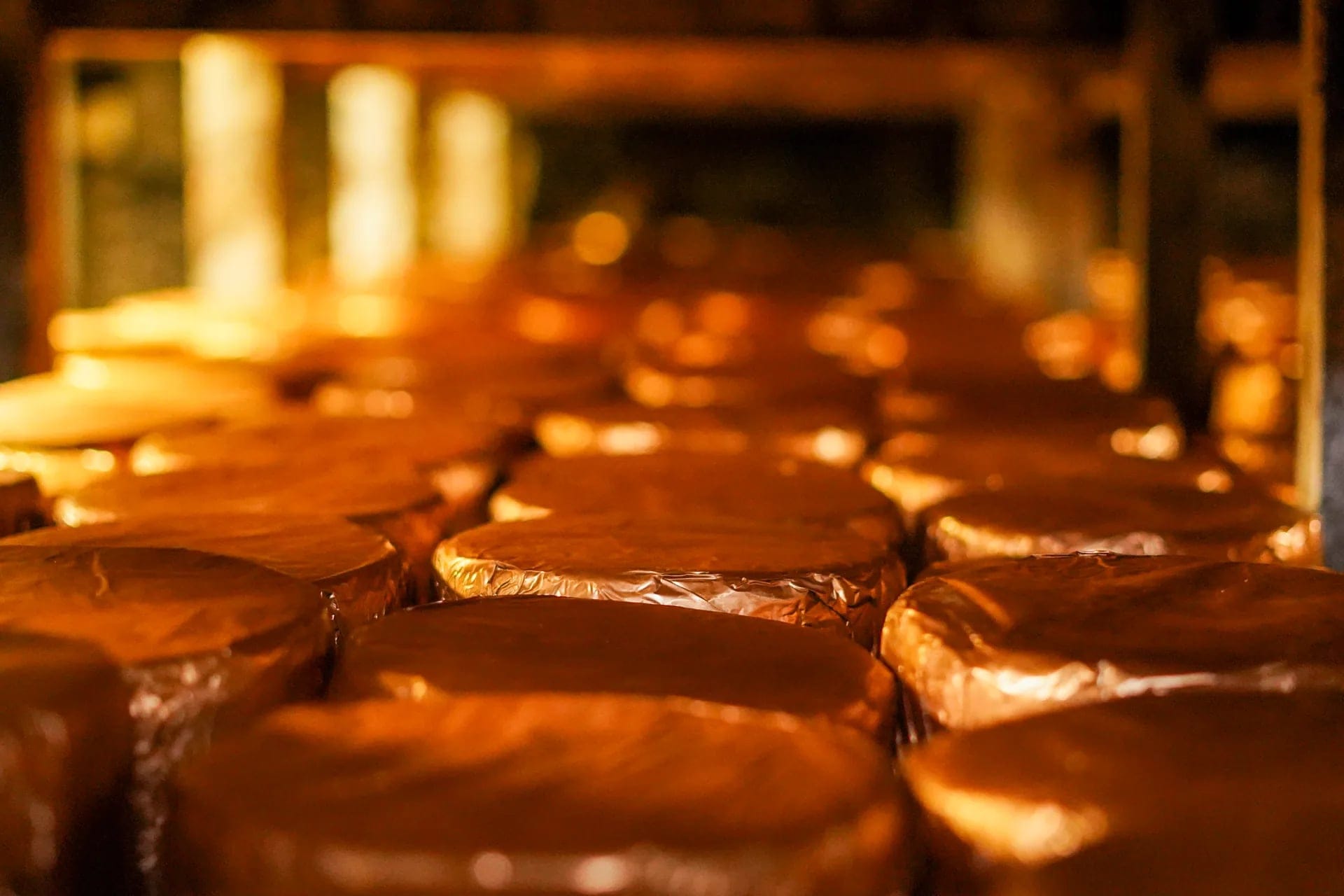
Roquefort wheels ageing in the cellar, the mark of a quality cheese for an apéritif cream
A great Roquefort isn’t cooked, it’s revealed — even cold, it just needs to breathe.
Maison Carles · Combalou caves

Chapter VIII

In summary

§ viii. · ConclusionSimple, cold, delicious

Five minutes, no cooking, a spreadable texture and a crowd-pleasing flavour — the secret is a fine raw-milk Roquefort, well tempered and patiently worked.

Convoitise for character, Élégance for softness, a creamy base to taste, almost no salt — and served cool but tempered. And never confuse it with the hot sauce: here, everything happens cold.

Frequently asked

Your questions about Roquefort cream

§ ix. · FAQThe apéritif, made clear

01.

Can you make Roquefort cream ahead of time?

Yes — even better made ahead. Keep it airtight in the fridge for two to three days and temper it fifteen minutes before serving.

02.

How do you make it lighter or milder?

Increase the creamy base (fresh cheese, ricotta or drained Greek yoghurt) and choose a softer Roquefort like the Élégance range. A little lemon juice adds freshness.

03.

Convoitise or Élégance for an apéritif cream?

Convoitise for bold character, Élégance for a rounder, creamier and more consensual result.

04.

How do you avoid lumps?

Temper the cheese and base, mash the Roquefort alone first, then add cream gradually. A quick hand-blender pass smooths stubborn lumps.

05.

What is the difference between cream and sauce?

The cream is a cold, spreadable apéritif preparation; the sauce is hot, made by melting the cheese into reduced cream for meat or pasta.

06.

Do you need to salt it?

Almost never — Roquefort is already salty. Taste first, and add more creamy base rather than salt if it feels too strong.

Go further

A fine cream starts with a fine cheese. To go beyond the crème au roquefort and discover all our tasting know-how, explore the tasting & recipes pillar, then browse our guides.

Choose your piece

A raw-milk Roquefort for your cream

A great apéritif cream starts with a great cheese. Choose your raw-milk Roquefort in the shop, or discover our two ranges of character.