Journal · Health & raw milk

Roquefort and pregnancy: raw milk, listeria and precautions, what you really need to know

Official guidance advises against raw-milk cheeses during pregnancy, and AOP Roquefort is always made from raw milk. Here is what that means, explained by a raw-milk house since 1927.

In short

The essentials

  • AOP Roquefort is always made from whole raw ewe’s milk; there is no pasteurised Roquefort.
  • Official French guidance advises pregnant women to avoid raw-milk cheeses because of listeriosis.
  • Controls reduce the risk but cannot remove it; cooked dishes served piping hot are a different case, ask your doctor or midwife.
Editorial illustration on Roquefort and pregnancy: raw milk, listeria and precautions

Chapter I

Why is Roquefort always made from raw milk?

§ i. · AppellationMilk that is never heated

Raw milk, always: that is what Roquefort is.

What the AOP requires: whole raw ewe’s milk

The appellation requires whole, raw ewe’s milk. Its natural flora shapes the aromas during ageing.

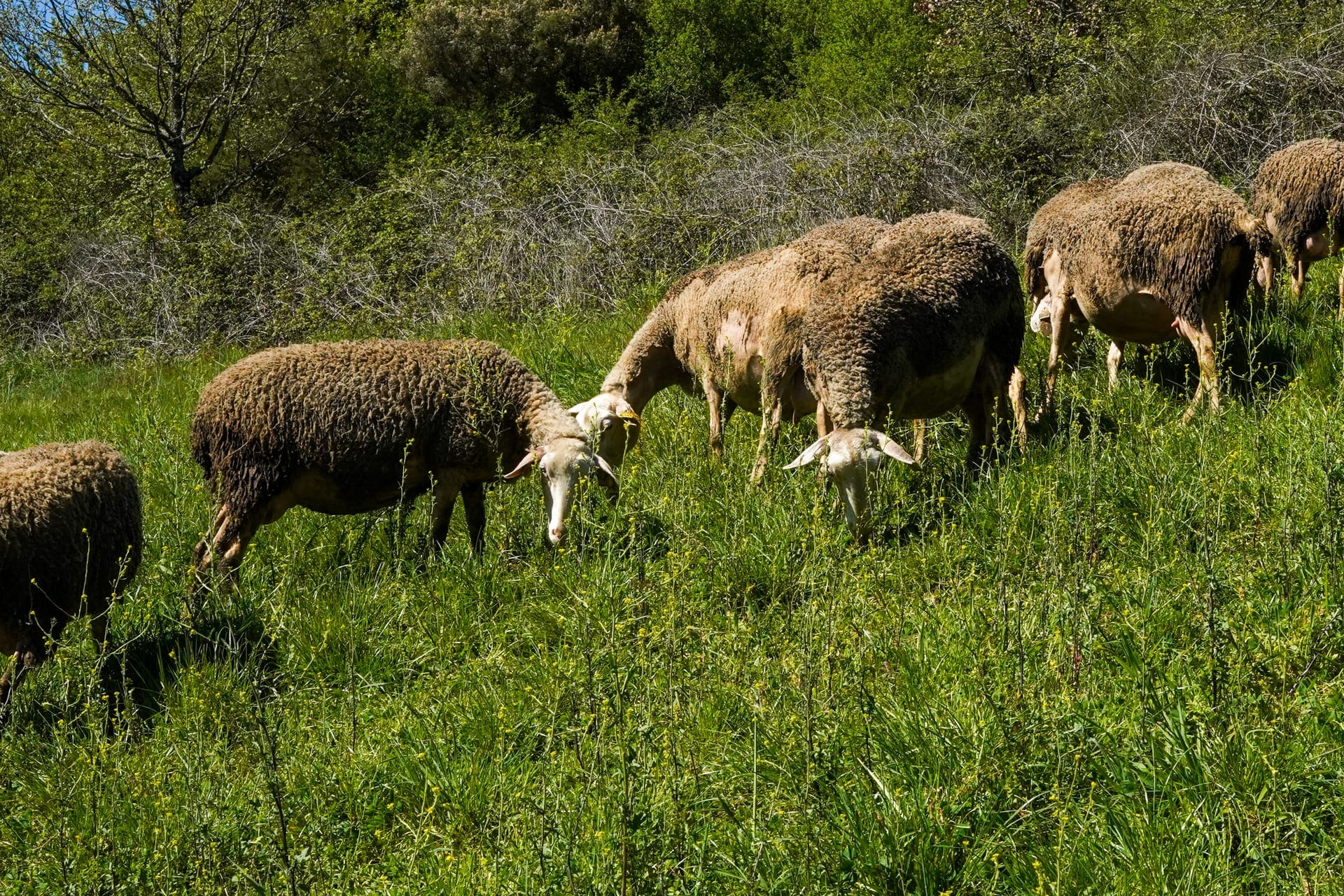
Flock of ewes grazing in a meadow, the source of Roquefort’s raw milk

Fresh daily milk from 13 partner farms at Carles

Since 1927, over three generations, we have worked fresh daily milk from 13 partner farms. Discover our raw ewe’s milk Roquefort.

Does a “pasteurised Roquefort” exist?

No. Pasteurised blue cheeses are different cheeses. Read what is Roquefort.

Chapter II

Raw milk: what is the real risk?

§ ii. · ListeriaUnderstanding without alarm

The germ in question is Listeria monocytogenes.

Listeria, the monitored germ

A bacterium found in the environment; listeriosis can be serious for pregnant women, babies, older and immunocompromised people.

Controls along the chain

Milking hygiene, regular analyses and close monitoring of ageing aim to prevent and detect.

Low risk is not zero risk

No control can guarantee total absence, hence the precautionary principle.

We will never claim our Roquefort is “risk-free”.

What know-how does, and does not do

Daily care limits risk without cancelling it. See making and ageing.

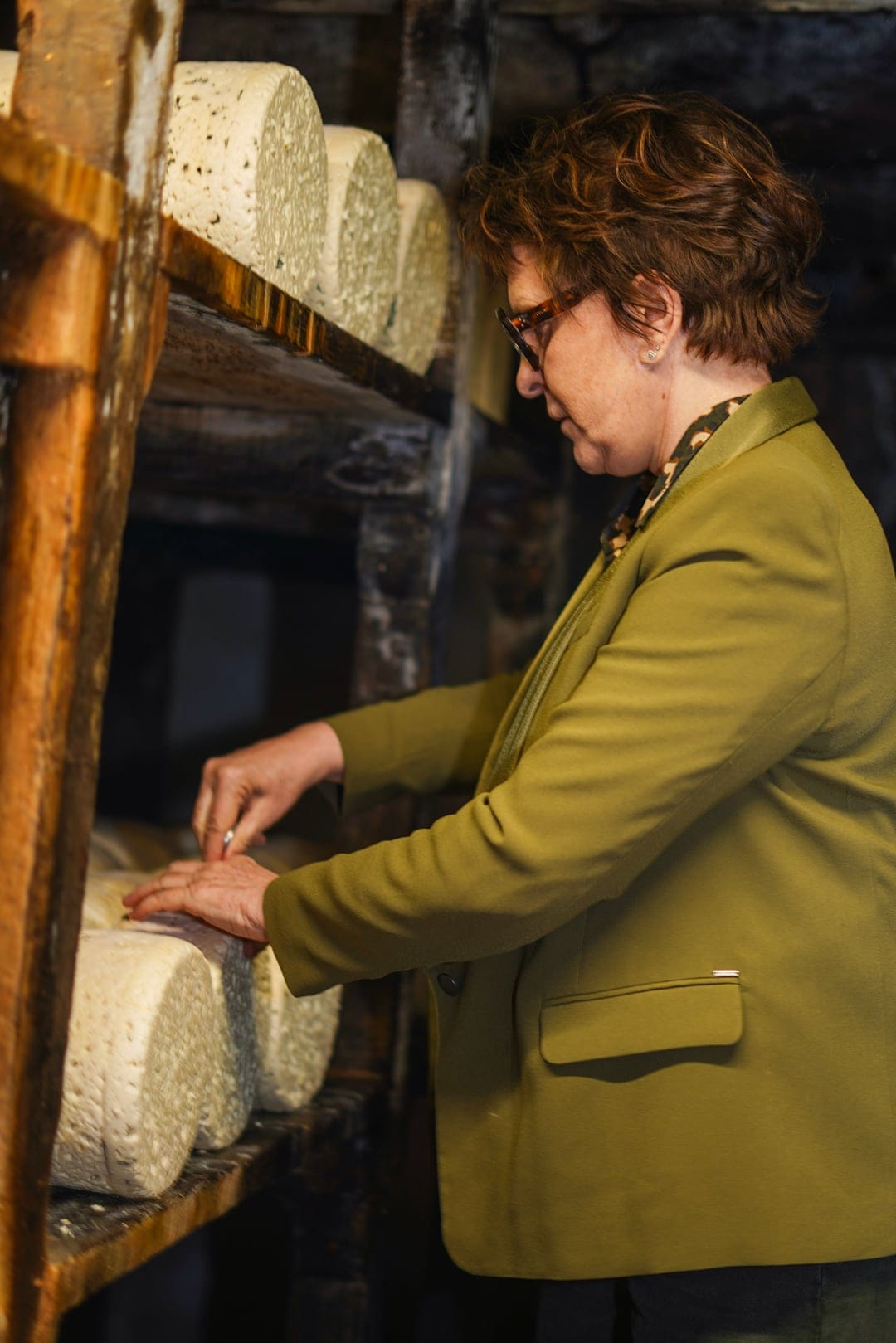
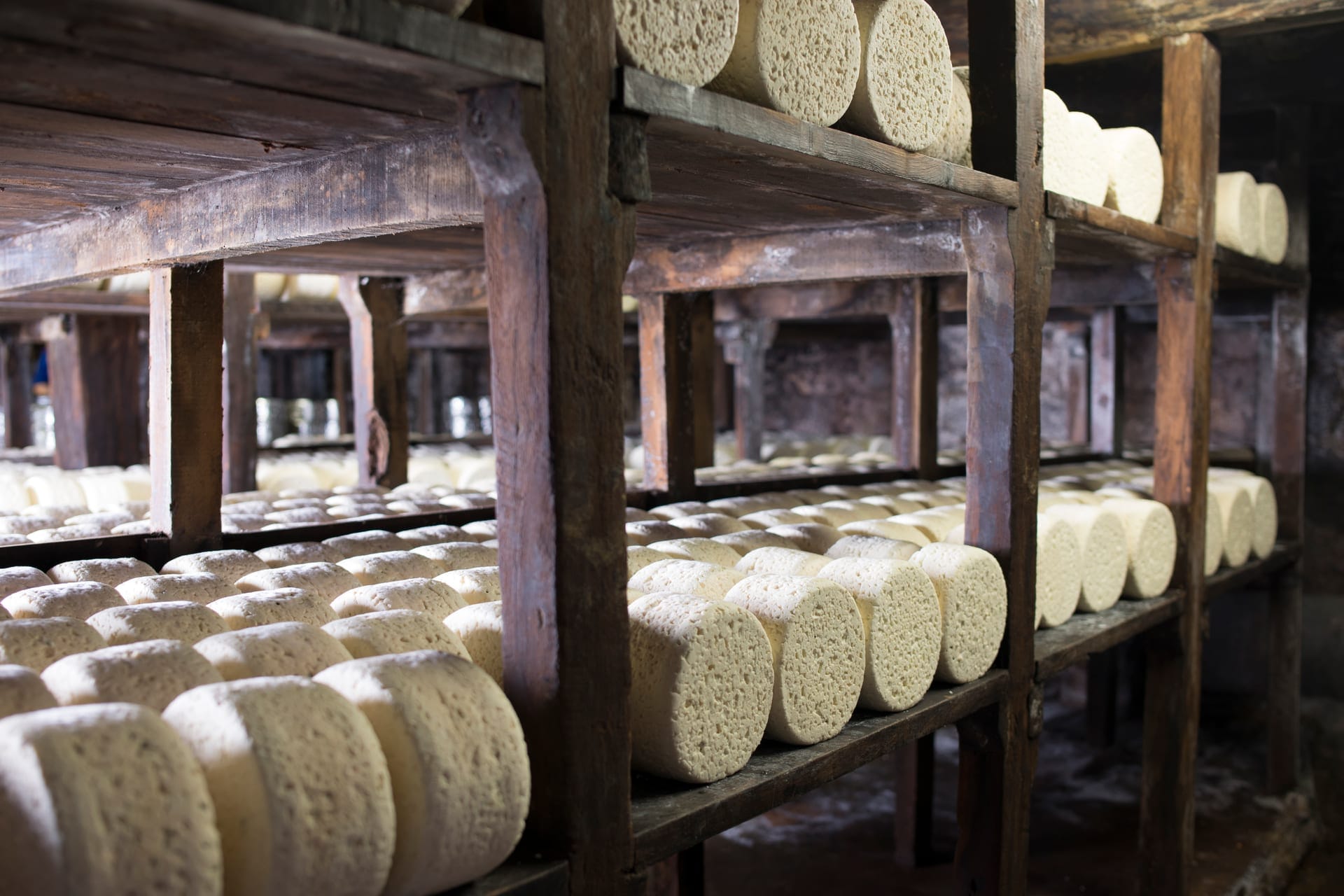
A cheese ager inspects Roquefort loaves on wooden shelves in a cellar

Chapter III

Raw or pasteurised: differences in taste and making

§ iii. · CompareFlora, aromas, texture

Pasteurisation heats milk to destroy most micro-organisms, and changes the cheese.

What pasteurisation changes

It removes much of the natural flora: more regular, often milder cheeses.
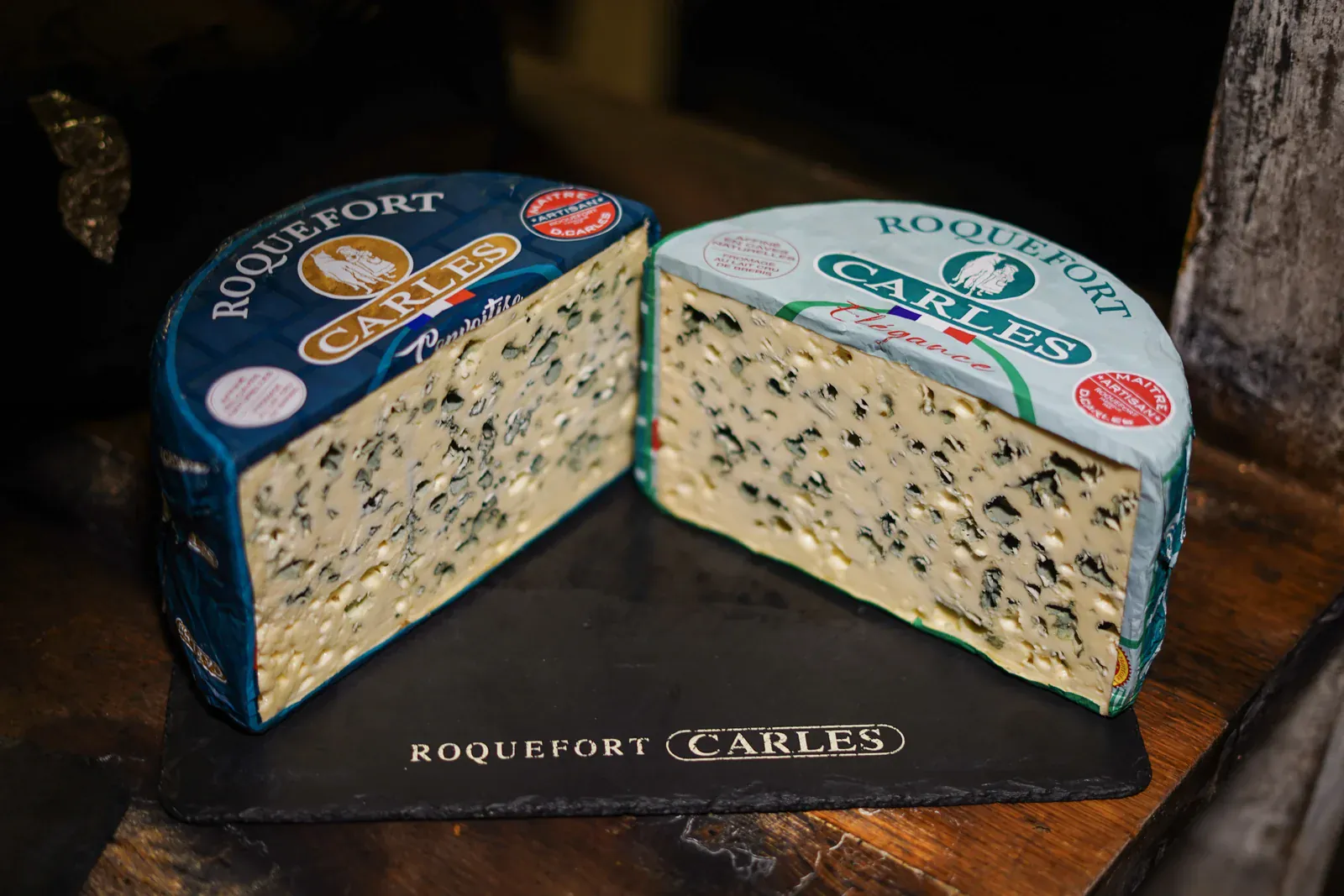
Two Carles Roquefort loaves cut in half showing their blue-veined raw-milk paste

Why artisan houses keep raw milk

Raw milk carries a sense of place. More on artisan Roquefort.

Chapter IV

Pregnant: what if you have eaten Roquefort?

§ iv. · ReactCalmly, sensibly

First advice: don’t panic.

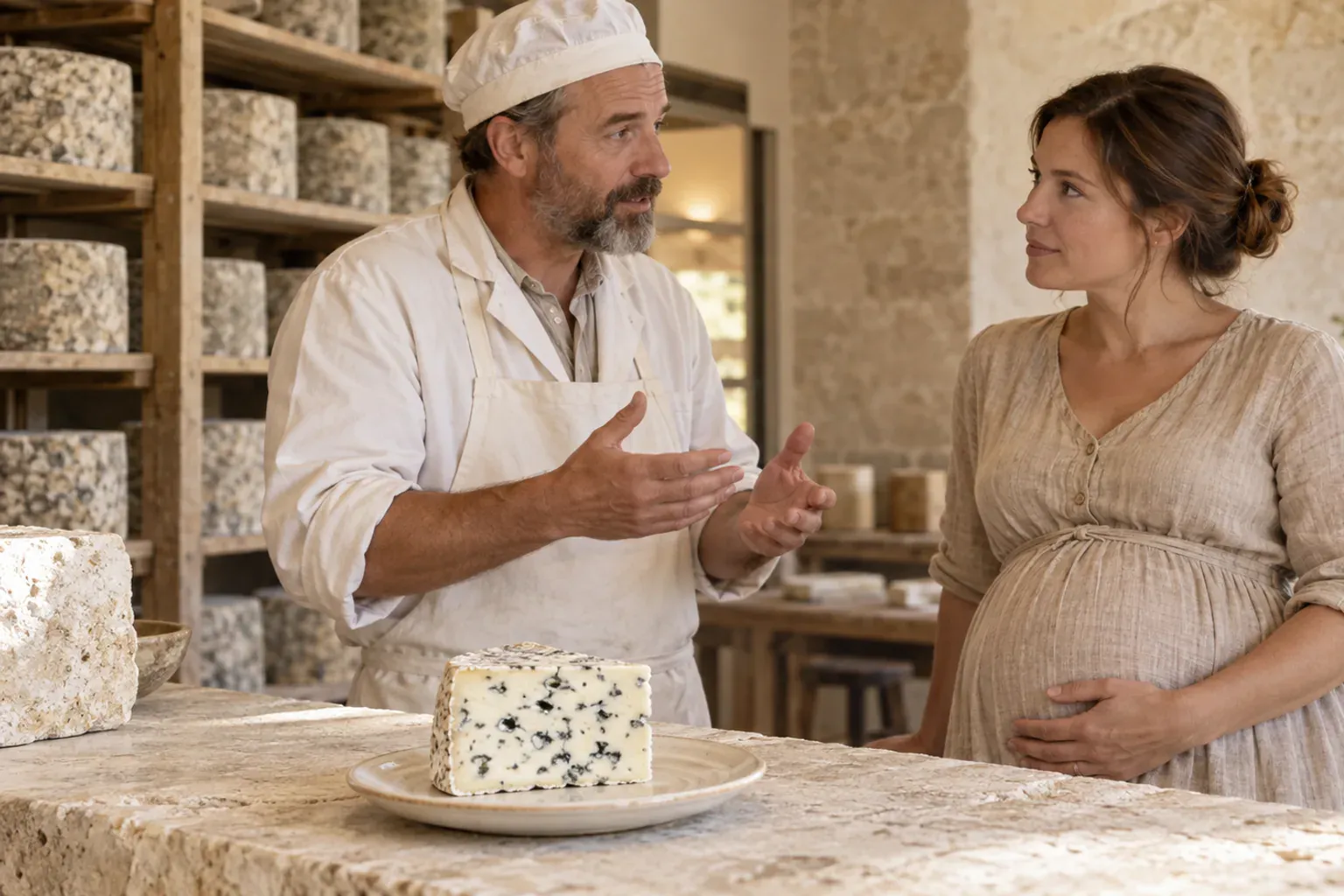
A one-off exposure is not an infection. Stay attentive and talk to your healthcare professional.

  1. Watch for fever or flu-like symptoms.
  2. If fever appears, see a doctor quickly and mention the raw-milk cheese.

Talk to your doctor or midwife

Only they can assess your situation. This guide is not medical advice.

Chapter V

Is cooked Roquefort allowed during pregnancy?

§ v. · CookingPiping hot, right through
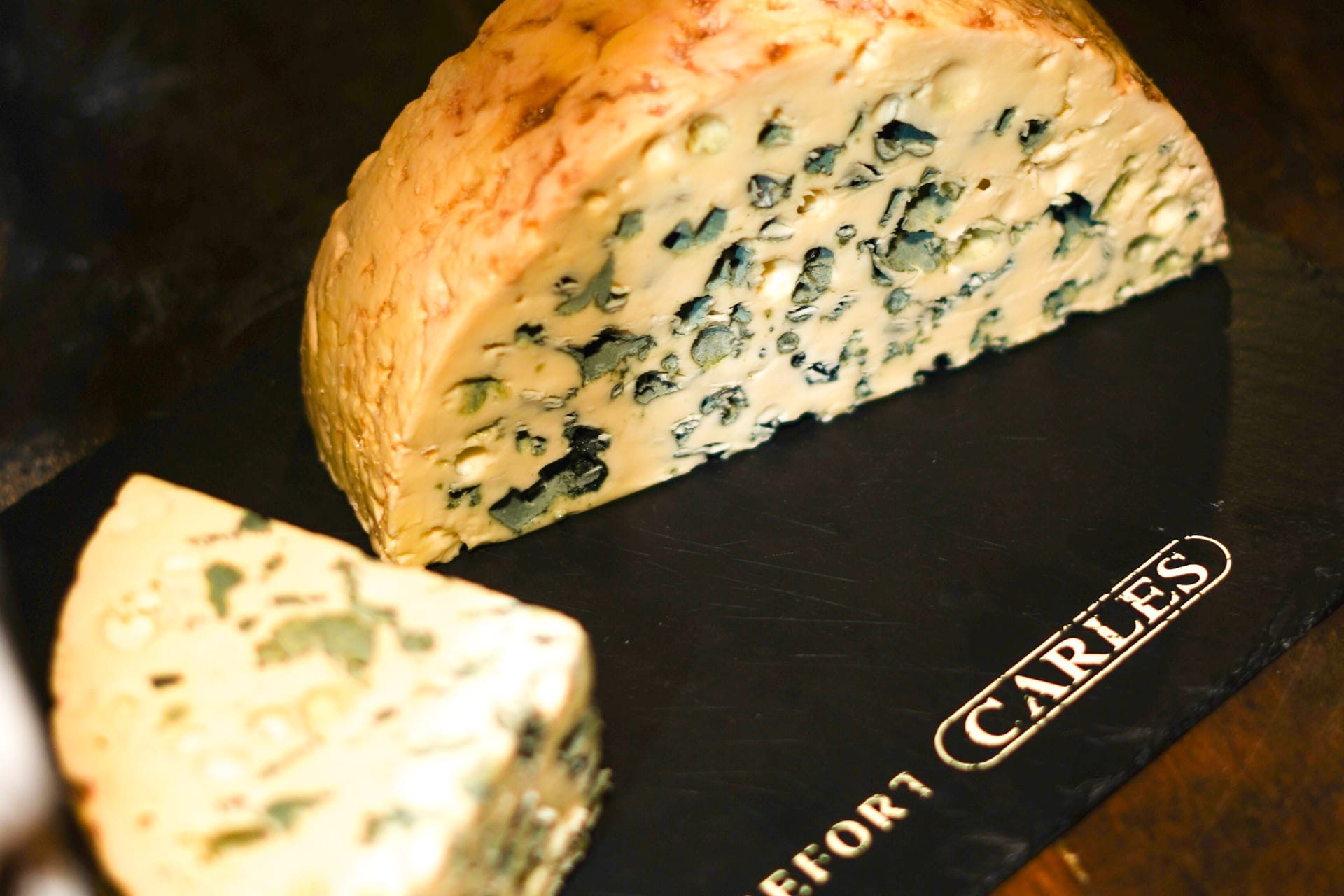
A cut Roquefort on a black engraved slate, ready for a sauce or quiche

General guidance offers a more nuanced answer.

What general guidance says

Thorough cooking, served piping hot, would destroy listeria. Medical advice still comes first.

Hot dishes where the cheese cooks through

A Roquefort sauce, a Roquefort quiche or a Roquefort puff pastry, served straight from the oven.

Chapter VI

Other groups advised to be careful

§ vi. · Sensitive groupsBeyond pregnancy

Young children, older people and immunocompromised people are also advised to avoid raw-milk cheeses. Ask your doctor.

Where to find official guidance

French health authorities publish regularly updated dietary advice for pregnancy and vulnerable groups.

Chapter VII

Storing Roquefort to preserve its quality

§ vii. · StorageCold, not too cold

Keep it refrigerated and well wrapped. Details in our storage guide.

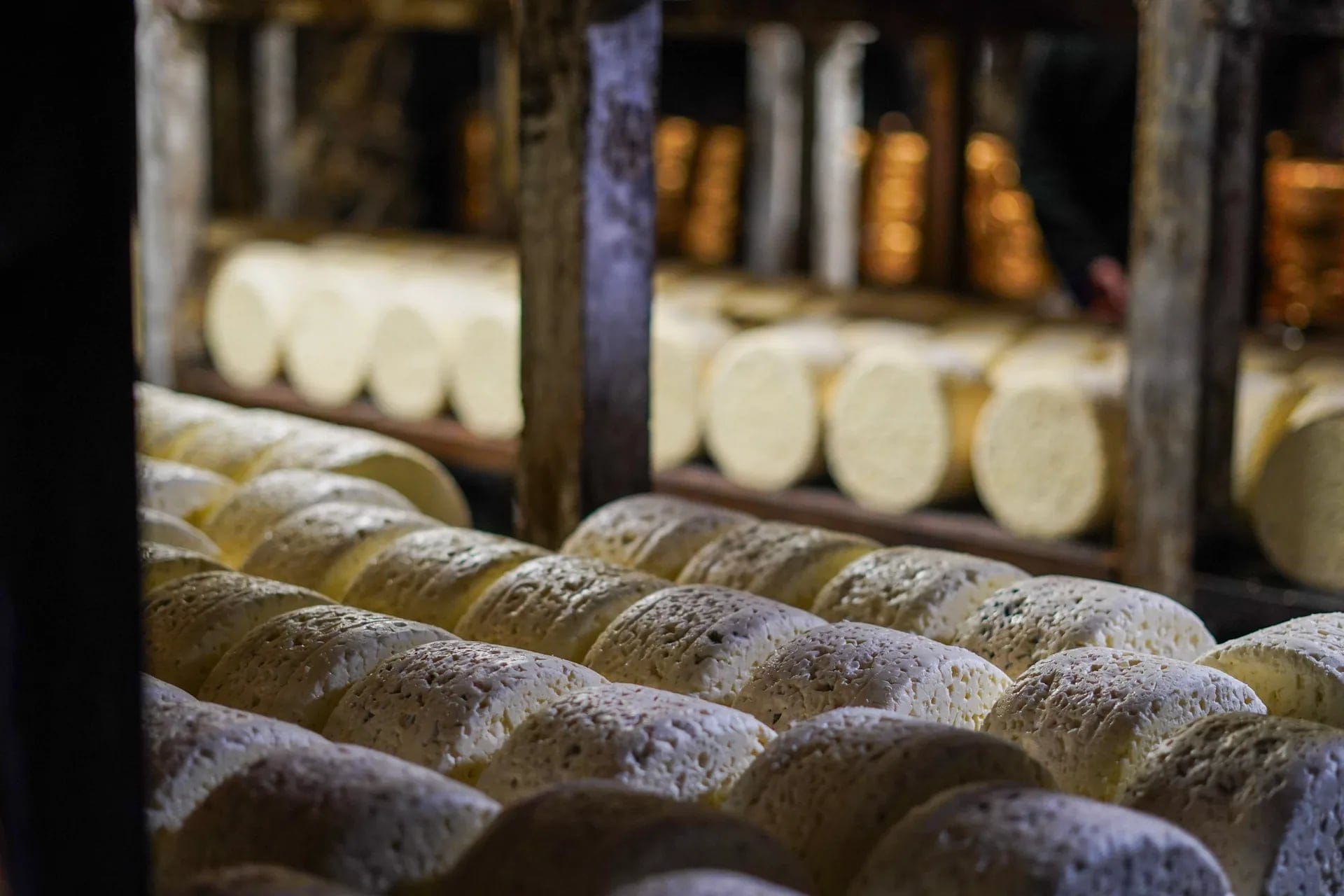
Roquefort loaves lined up on wooden shelves in a traditional cellar

Chapter VIII

Raw milk, knowingly enjoyed

§ viii. · ConclusionA choice since 1927
Rows of Roquefort ageing on wooden racks in a natural cellar

Raw milk is a choice of taste and tradition we have embraced since 1927. Roquefort will wait for you after pregnancy.

We make raw-milk cheese. Our job is to work it carefully, and to say clearly who it does not suit.
Maison Carles · Roquefort-sur-Soulzon

FAQ

Roquefort and pregnancy: your questions

§ ix. · FAQCareful answers

01.

Can you eat Roquefort while pregnant?

Official guidance advises against raw-milk cheeses during pregnancy; Roquefort is always raw-milk. Ask your doctor or midwife.

02.

Does Roquefort contain listeria?

Controls aim to prevent it, but with raw milk the risk cannot be considered zero.

03.

Is there pasteurised Roquefort?

No. Pasteurised blue cheeses are other cheeses.

04.

Is cooked Roquefort safe during pregnancy?

Thorough cooking served piping hot would destroy listeria; ask your doctor first.

05.

And while breastfeeding?

Each situation differs: ask your doctor, midwife or a breastfeeding professional.

06.

What is the difference between raw and pasteurised milk?

Pasteurised milk is heated to destroy most micro-organisms; raw milk keeps its natural flora.

07.

I ate Roquefort before knowing I was pregnant: is it serious?

Don’t panic. Watch for fever and talk to your healthcare professional.

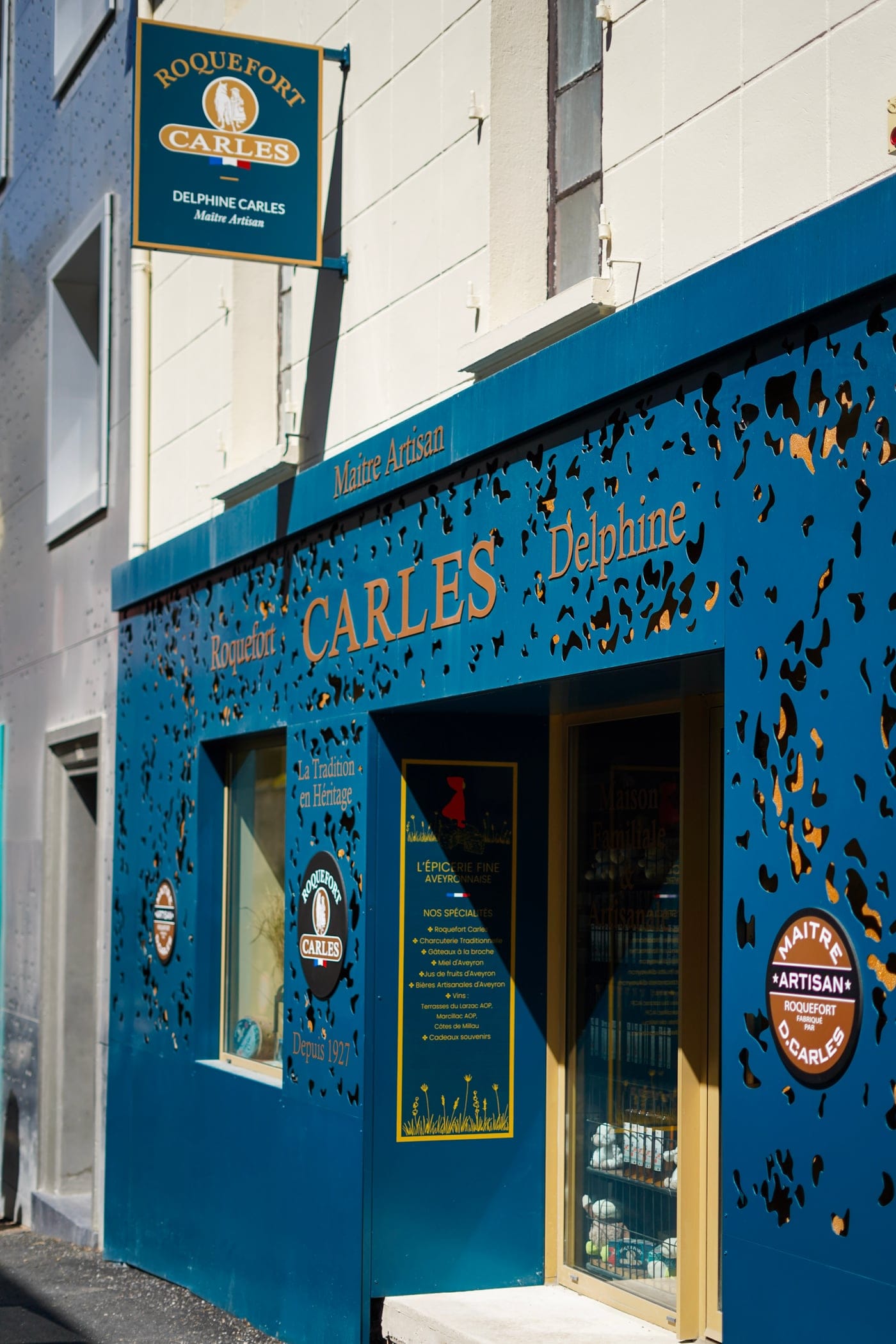
Blue façade of the Roquefort Carles shop, master cheesemaker since 1927

Our raw milk

Discover our raw-milk Roquefort

Fresh daily milk from 13 partner farms and three generations of know-how.

For after pregnancy, or as a gift: Visit the shop

Further reading

To discover the house and its raw milk, see our reference page on roquefort and pregnancy.