Carles · The Roquefort Journal

Roquefort brands:
who makes the “king of cheeses”?

One appellation, several houses, all ripened in Roquefort-sur-Soulzon. A factual overview of the Combalou makers, told by a family house that knows its cellar neighbours.
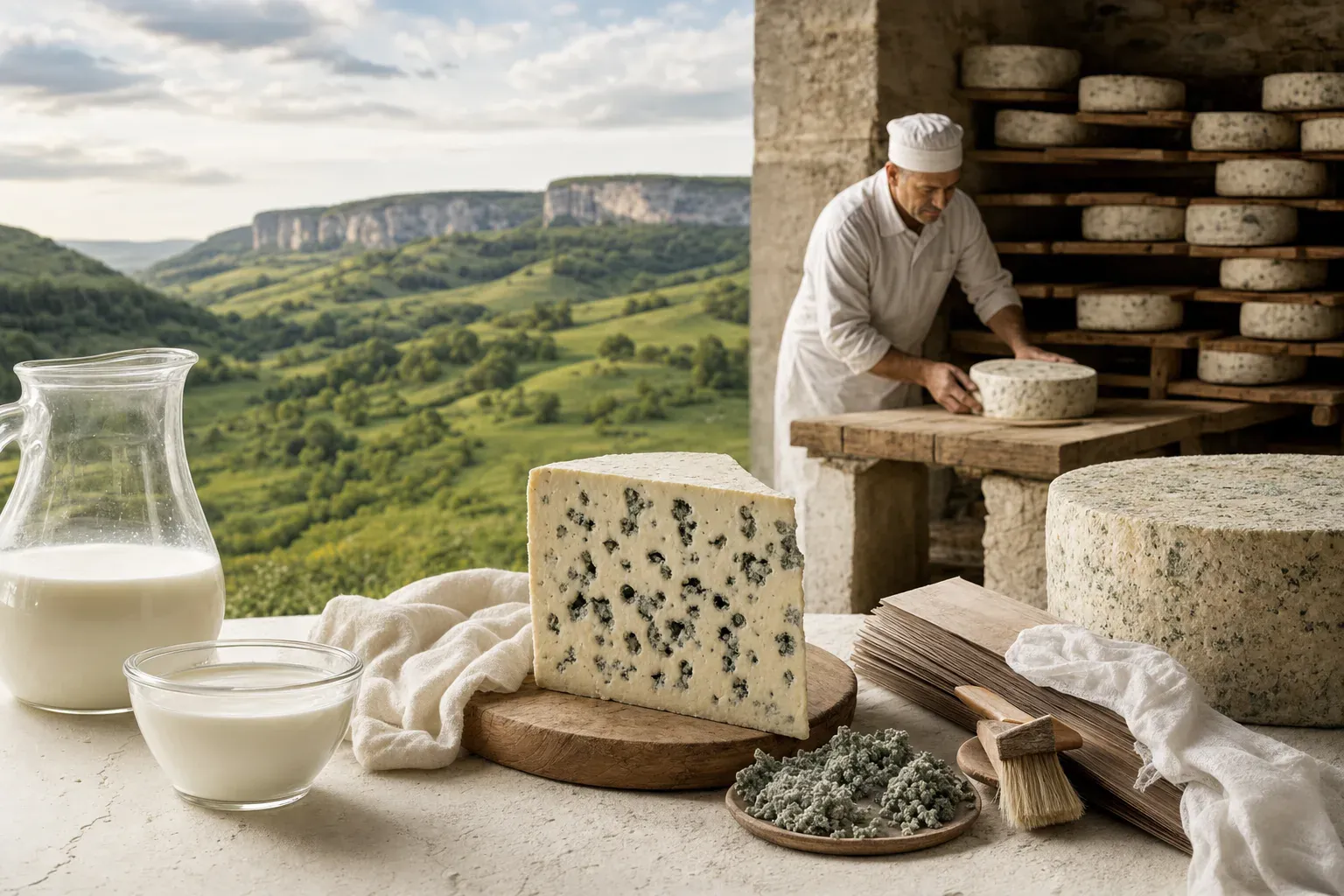
Editorial illustration of Roquefort PDO brands and how to recognise a house

The essentials

Roquefort is a PDO shared by a handful of houses, all using raw ewe’s milk and all ripening in the Combalou caves. Large national brands such as Société or Papillon sit alongside independent and family houses such as Gabriel Coulet or Carles. Strain, ripening time, milk sourcing and handwork differ from house to house — read the maker’s name on the label.

On the shelf, Roquefort looks uniform. Behind the appellation, though, several houses make and ripen it.

They share one village, one rock and one set of rules — yet their cheeses differ.

This guide explains who makes what, without rankings. New to the cheese? Start with what Roquefort is.

An appellation is a shared rule.
A house is a way of living it.
Maison Carles, Roquefort-sur-Soulzon

Chapter I · The framework

One appellation, several makers: how does it work?

§ 01 · The PDOShared rules, own styles
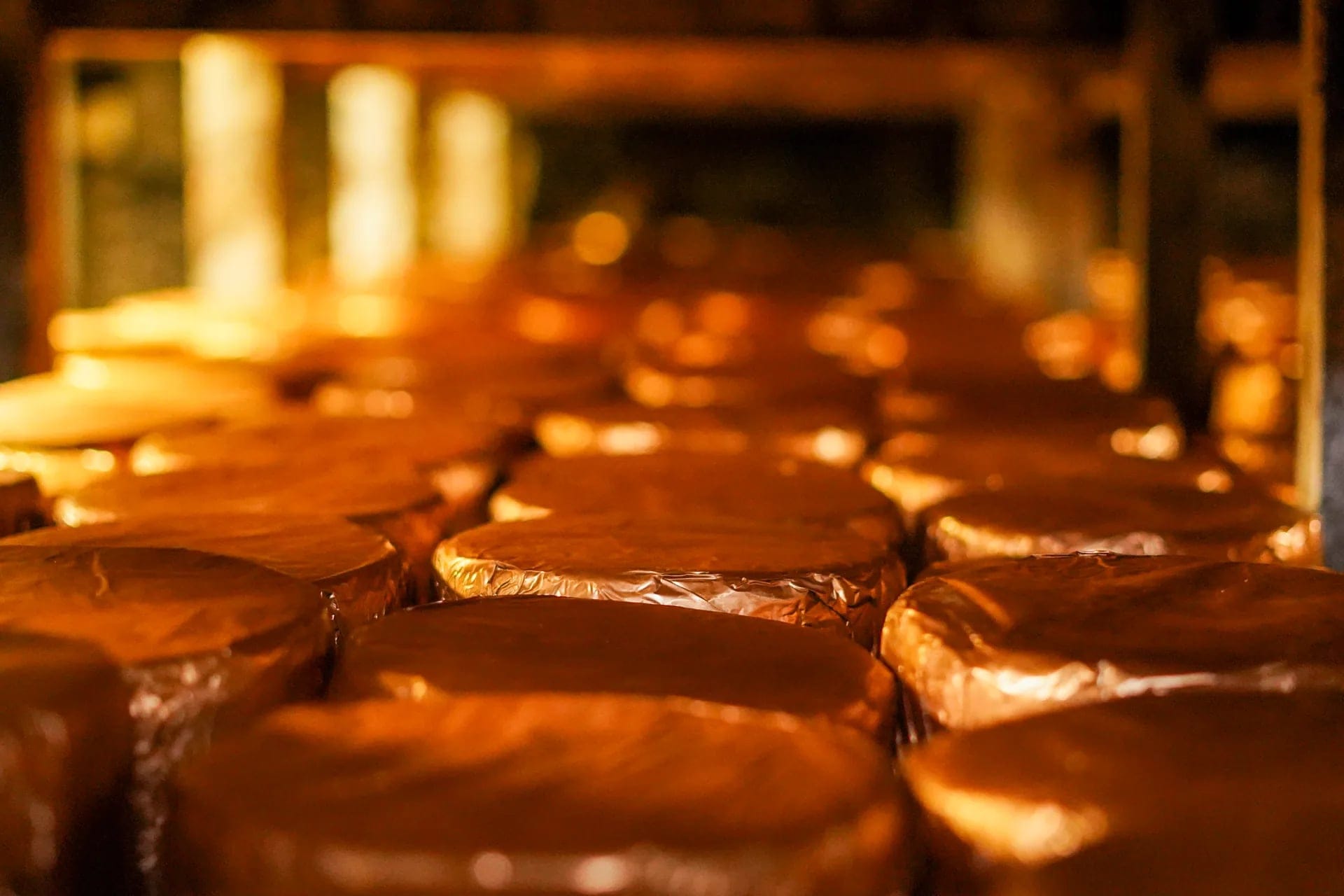
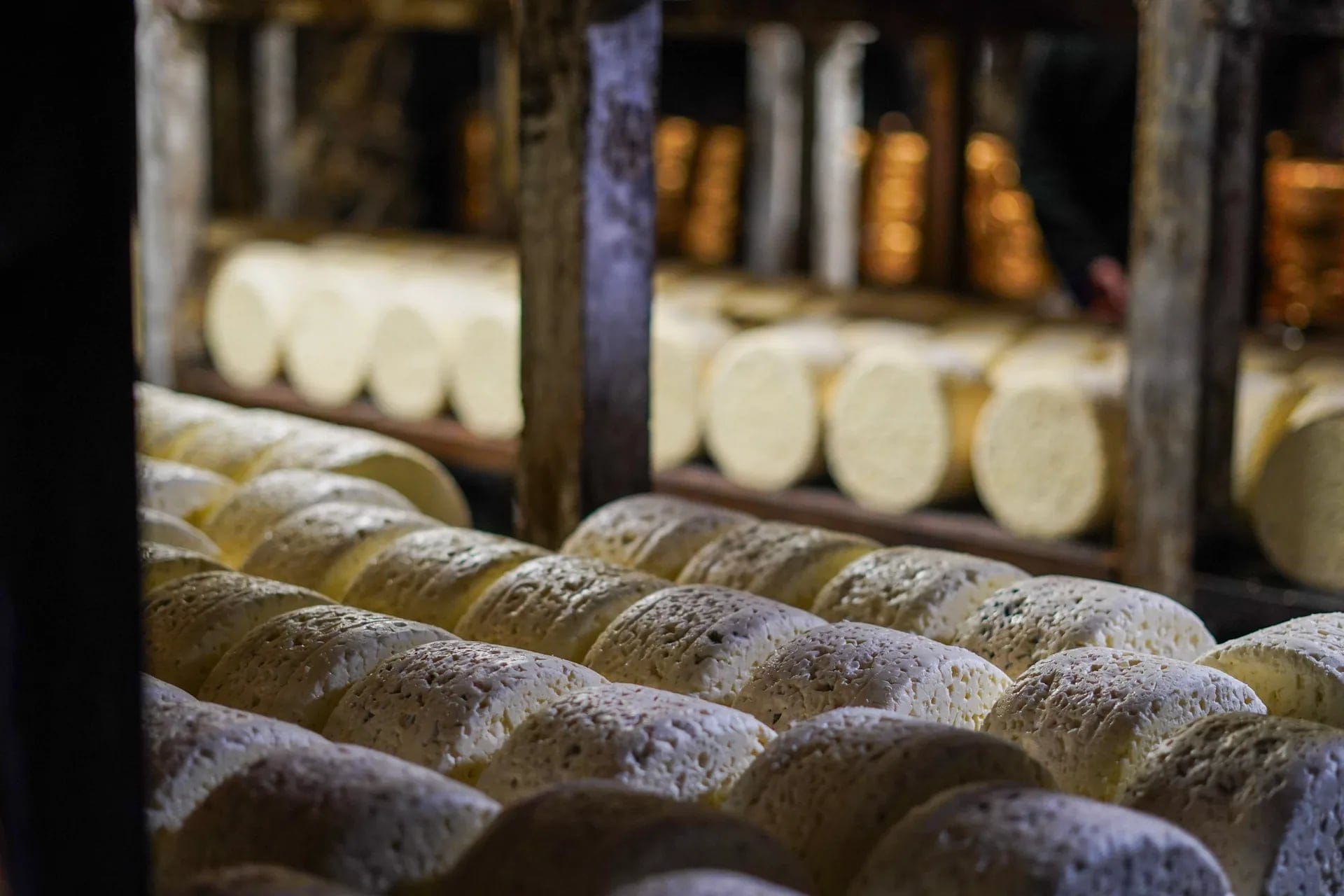
Rows of Roquefort ripening on wooden racks in a natural Combalou cave

A PDO is not a brand: it is a collective framework open to any house that follows its rules within the defined area.

The common PDO framework: raw ewe’s milk and the Combalou caves

Every Roquefort uses raw whole ewe’s milk and ripens in the natural caves of the village — see our Roquefort-sur-Soulzon terroir page.

What the specification does not set

Penicillium strain, ripening time, milk sourcing and handwork remain each house’s choice — hence different cheeses.

Chapter II · The houses

An overview of
the Roquefort houses

§ 02 · The villageGroups & families

Today a handful of houses of very different sizes share the same rock.

Large national brands

Société, now part of the Lactalis group, and Papillon, a historic Roquefort-sur-Soulzon house, are the names most seen in supermarkets.

Independent and family houses

Gabriel Coulet is a family house in the village; Le Vieux Berger is a well-known brand whose maker is shown on the label; Carles is an independent family house founded in 1927.

Brand, maker, ripener

One maker may sell under several brands: always check the maker’s name, not just the logo.

For more on handwork, see our page on handmade artisanal Roquefort.

Under the Combalou we share the rock,
not the recipe.
Cellar saying

Chapter III · Clues

How to recognise a house by its label and cut

§ 03 · Read & tasteThree clues
Rows of Roquefort loaves wrapped in foil before going on sale

Read first, then look at the cut, then taste.

Reading the label

Look for the PDO mention, the red ewe, the maker’s name and the ripening place.

Taste: veining, texture, salt, length

Observe veining, creaminess, salt and length — our guide on tasting Roquefort helps.

Packaging and format

Whole loaf, half loaf or portions: a fresh cut keeps its texture best.

Always take Roquefort out an hour before comparing.

Chapter IV · Our house

Maison Carles: an independent family house

§ 04 · CarlesSince 1927

We do not claim to be the smallest house — we prefer to say what we do.

1927, three generations in the same cellar

Founded in 1927, handmade with raw milk from 13 partner farms — read our story.

Penicillium grown in-house on bread

Two house strains, Amandine and Maxime — see Penicillium roqueforti.

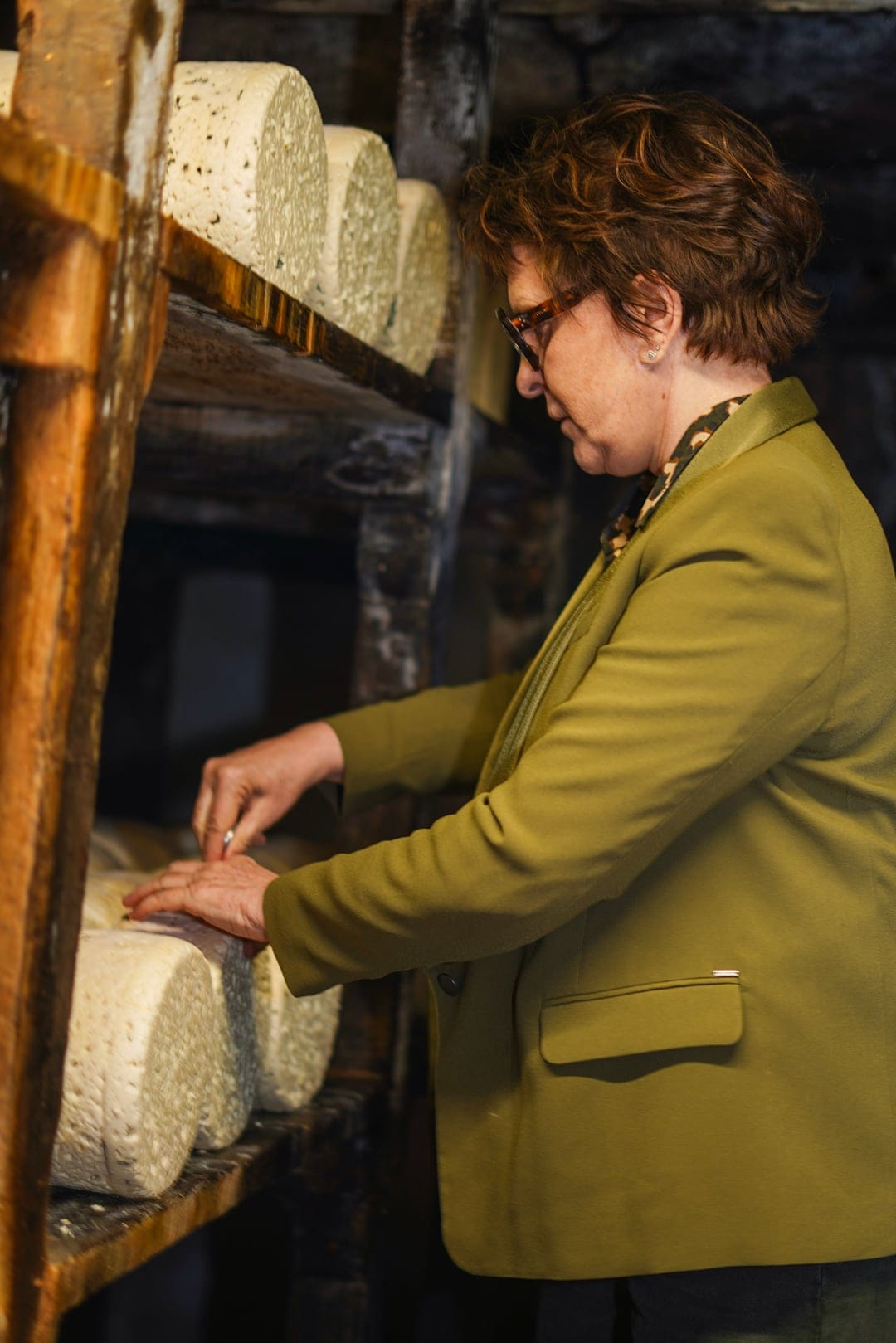
Ripening on oak racks

See making and ripening.

A Carles cellar master in a green jacket inspecting Roquefort loaves on wooden shelves
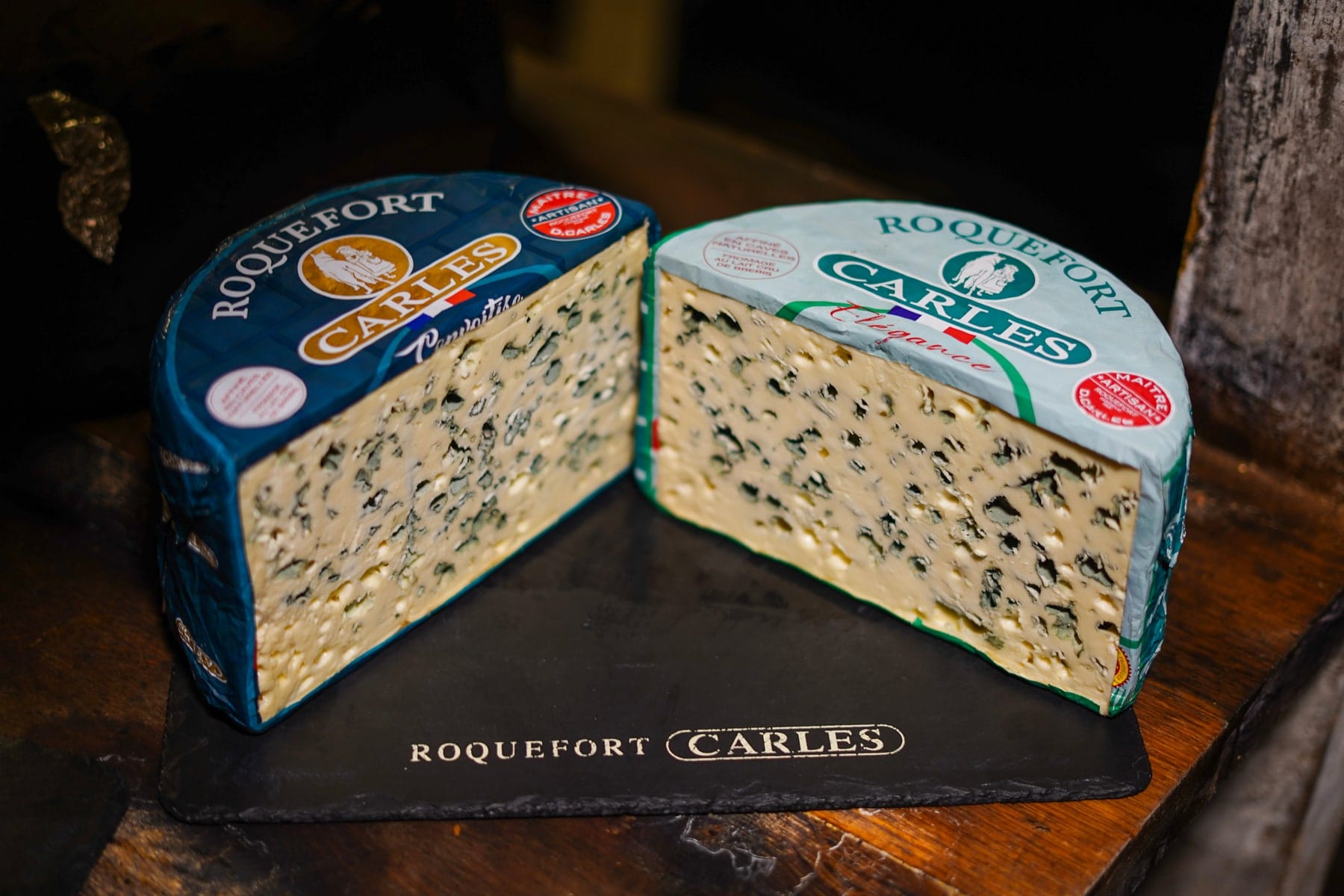
Two Carles Roquefort loaves cut in half on an engraved slate

Two ranges, two profiles

Convoitise, the traditional reference, and Élégance, the accessible premium.

Little Red Riding Hood, our emblem

Recognise the house by its red emblem.

Chapter V · Use

Which Roquefort brand for which use?

§ 05 · ChoosingCriteria, not rankings
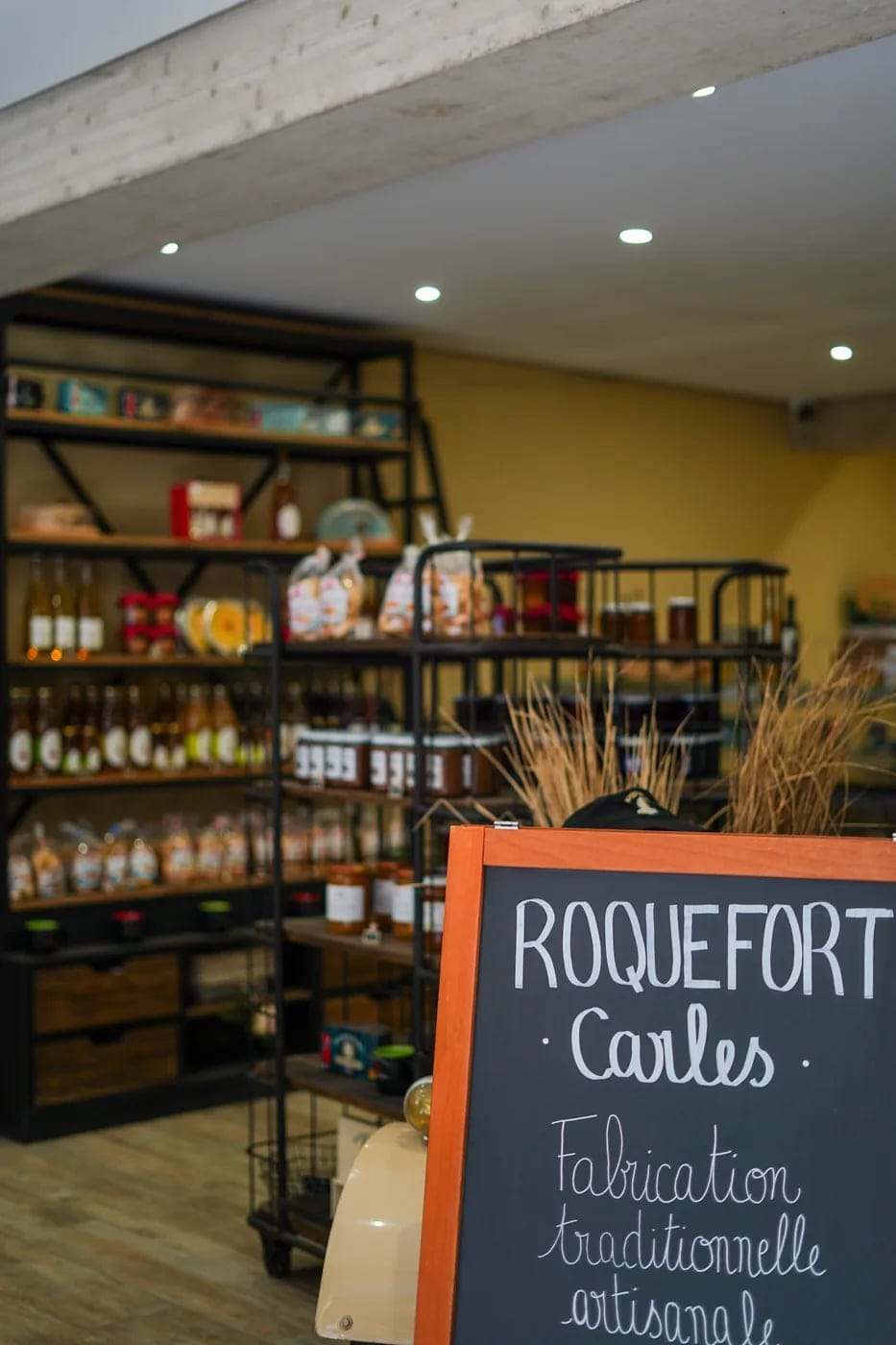
Delicatessen interior with regional products and a Roquefort slate

There is no absolute best brand — only cheeses more or less suited to your use.

As a gift

A whole or half loaf from a family house tells a story.

Compare appellations in Roquefort vs Bleu d’Auvergne.

Chapter VI · The shop

Where to buy Roquefort from a family house?

§ 06 · VisitAvenue de Lauras
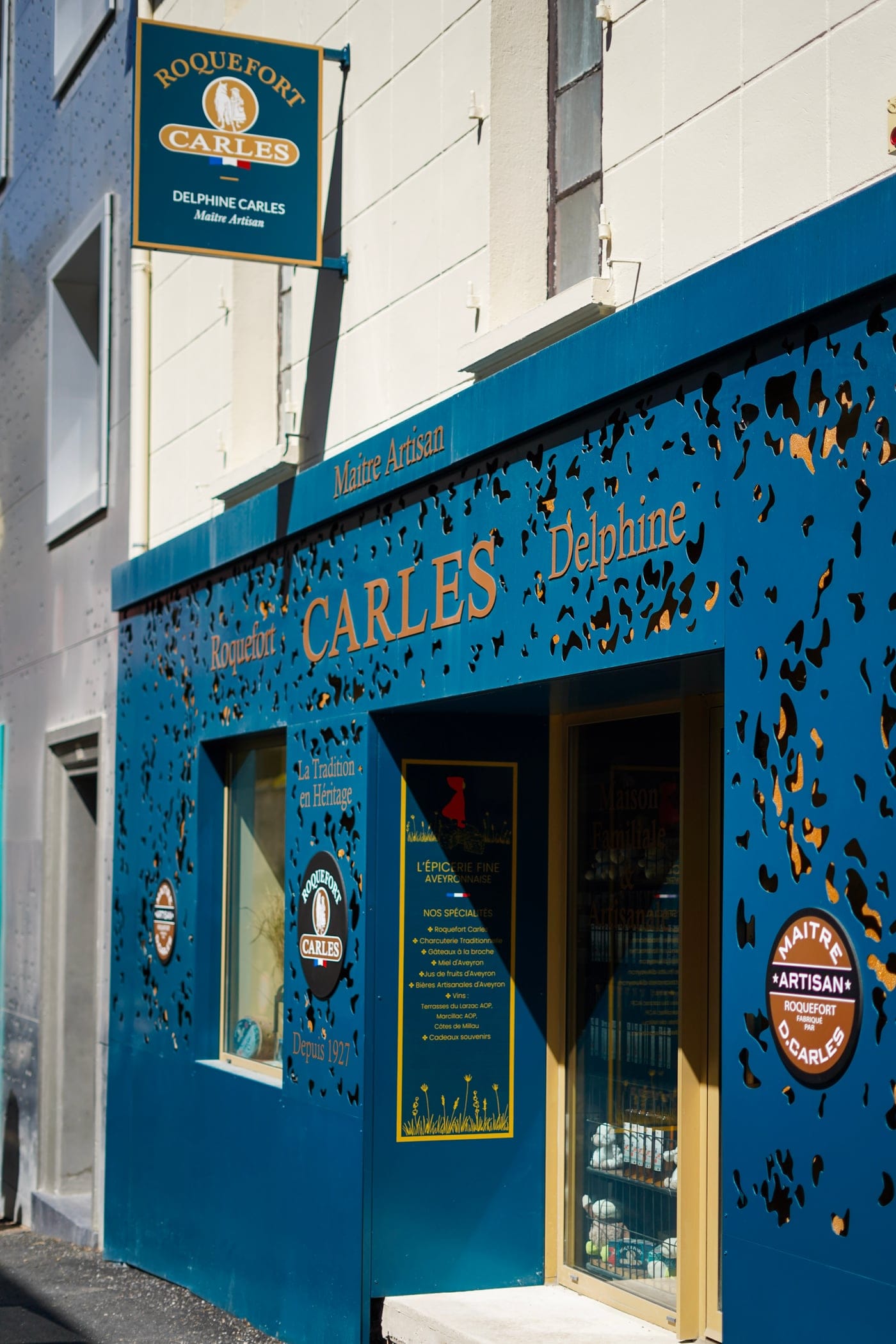
Blue façade of the Roquefort Carles shop in Roquefort-sur-Soulzon

The simplest way to taste a house’s work is to visit it.

Our shop on avenue de Lauras is open Monday to Friday, 8:15am–5:30pm.

Minutes from the A75 and the Millau Viaduct — see also visiting a cellar.

Or order from our online shop.

FAQ

All about
Roquefort brands

How many Roquefort producers are there?

A handful of houses, all based in Roquefort-sur-Soulzon.

Are all Roquefort brands made with raw milk?

Yes, the PDO requires raw whole ewe’s milk for every brand.

What is the difference between Société and a family-house Roquefort?

Both are PDO; Société (Lactalis group) aims for national consistency, a family house for its own style.

Is Vieux Berger Roquefort artisanal?

It is a PDO Roquefort; check the label and the brand’s own information for its maker and methods.

How do I recognise a Carles Roquefort?

By the Carles name and the Little Red Riding Hood emblem, and by its house-grown Penicillium.

Where can I buy Roquefort direct from the maker?

At our shop on avenue de Lauras (Mon–Fri, 8:15am–5:30pm) or online.

Further reading

From the label
to the cellar

To understand what makes a roquefort artisanal, continue with the pages below.